
The Foundation of Intelligence
We assume that a sufficiently intelligent AGI will decide humanity is a threat. But cooperation under pressure is not simply morality. It may be one of the foundations of intelligence itself.
Read note →
Short observations on AI, Knowledge Architecture, organizational systems, technology, and the strange paths that connect them.
We assume that a sufficiently intelligent AGI will decide humanity is a threat. But cooperation under pressure is not simply morality. It may be one of the foundations of intelligence itself.
Read note →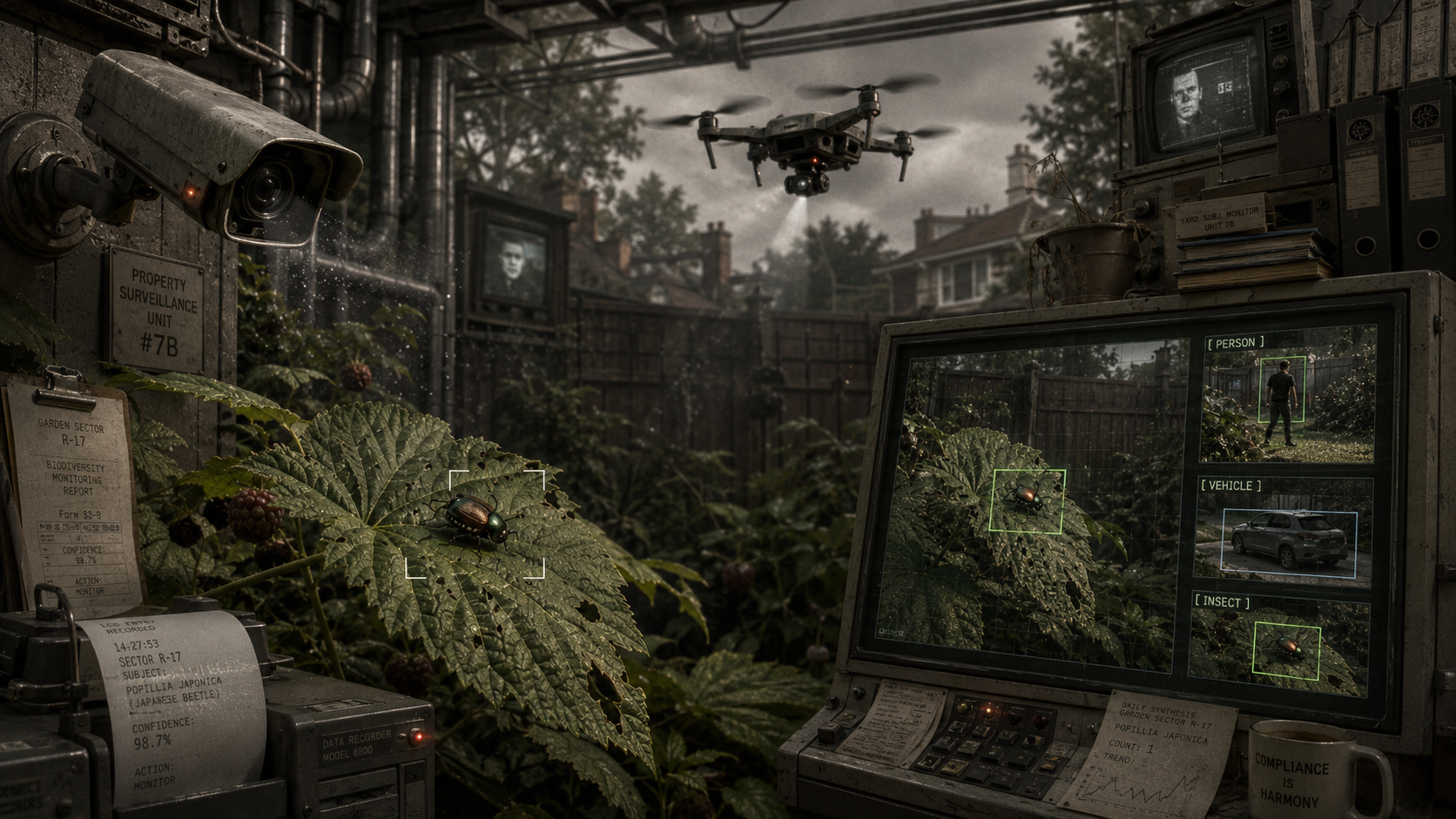
You do not need AGI to build a dystopia. Specialized AI and surveillance infrastructure are already enough to create systems that see too much, infer too much, and act too easily.
Read note →
When an AI system behaves badly, we increasingly describe the AI as the actor. But the models, objectives, tools, permissions, compute, and environments were all supplied by humans.
Read note →
Resumes compress careers until important experiences disappear. A career autobiography preserves the projects, failures, detours, technologies, and relationships that explain how you became who you are.
Read note →
Enterprise AI projects often assume that more data creates a better system. Sometimes the right architecture depends on knowing what should not be indexed, embedded, retrieved, or exposed.
Read note →