Before the First Prompt
AI changes how we produce code, but reliable software still begins with source control, automated testing, environment discipline, and CI/CD.
Read article →
Practical observations on IT leadership, infrastructure, security, governance, and the operational realities behind technology decisions.
AI changes how we produce code, but reliable software still begins with source control, automated testing, environment discipline, and CI/CD.
Read article →Decades of software engineering practice provide the architecture, shared logic, and persistent project instructions needed to guide AI coding agents.
Read article →Translate business requirements into bounded, testable Work Orders that let AI agents implement software within an established engineering framework.
Read article →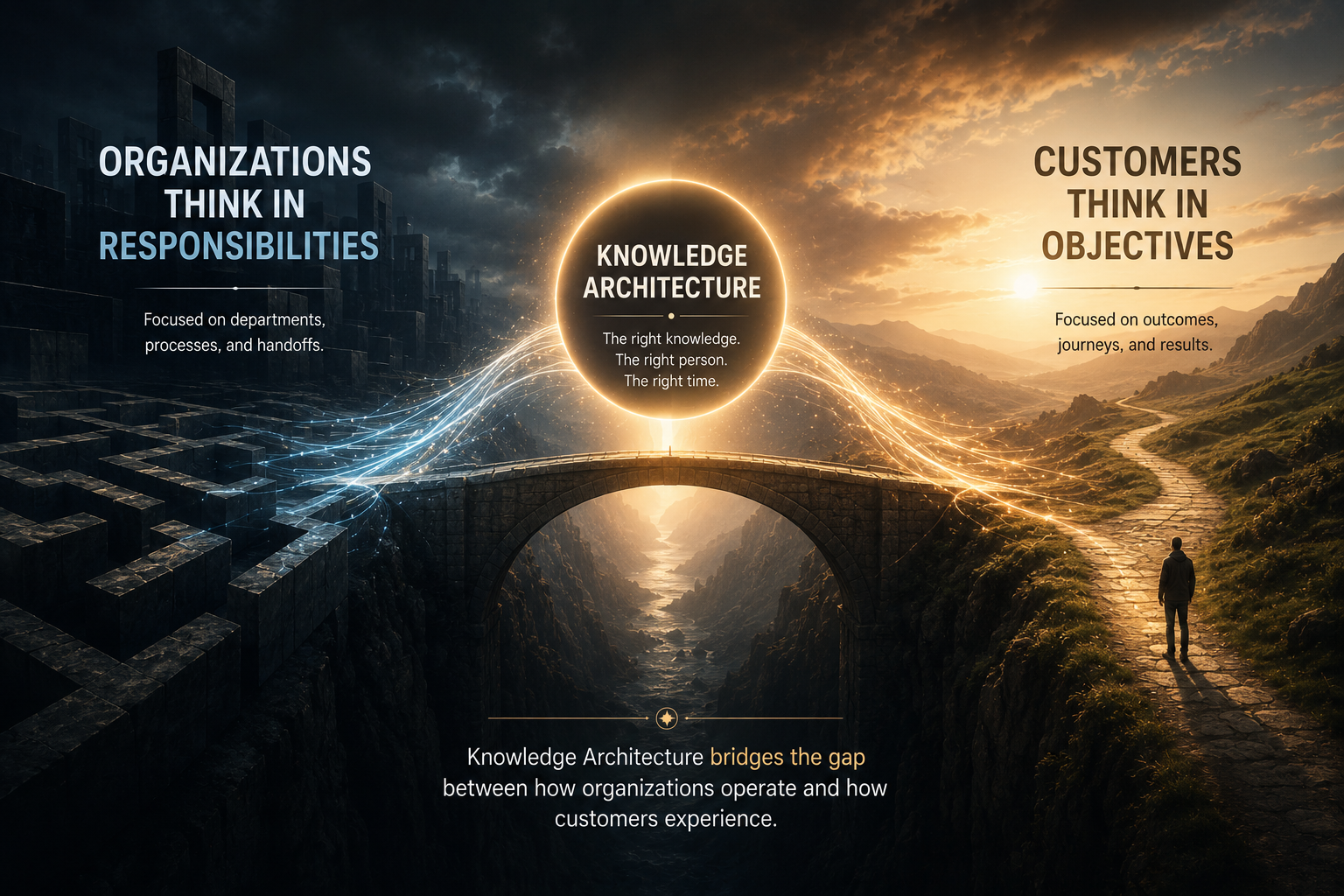
AI becomes valuable when it moves the right knowledge to the right person at the right time, especially when the customer's objective extends beyond the organization's internal responsibilities.
Read article →
Long before vector databases and semantic retrieval pipelines, enterprise architects were already attempting to solve the problem of computational meaning at organizational scale.
Read article →
Artificial Intelligence is forcing organizations to confront a problem that enterprise architects, search engineers, and information architects have wrestled with for decades: how to structure knowledge in ways that preserve meaning, authority, and institutional memory at scale.
Read article →
Small organizations may not need a full-time CIO, but they still need clear technology leadership, practical governance, and a roadmap that keeps systems aligned with the business.
Read article →